





It’s early spring in Queensland, and your lawn is starting to show signs of growth. Maybe you’ve noticed thatch building up, patches of dead grass, or areas that are starting to grow slower than the rest of your lawn. You might be wondering when should you scalp your lawn and how to scalp a lawn safely without stressing your turf.
In this guide, we look at dethatching and why springtime is the right time to scalp your lawn. This is a recommended annual maintenance tip for when the lawn is dry and before the weather gets too hot. We’ll also touch on what to do after scalping lawn areas and tips for scalped lawn recovery time in warm-season grasses like Sir Walter DNA Certified Buffalo, TifTuf Bermuda, Nullarbor Couch, and Zoysia Australis.
What is Lawn Scalping?
Many homeowners ask, “When should I scalp my lawn?” and often confuse scalping lawns with regular mowing. Lawn scalping is a lawn renovation process where you remove high and low sections of existing grass down to the lowest setting on your lawn mower.
This process removes dead grass, brown patches, and thick thatch layers, allowing new growth to emerge at a healthy lawn pace and leaving less room for weeds to potentially establish. Using sharp mower blades and switching mowing directions ensures a clean cut and avoids tearing your turf grass.
Scalping or dethatching helps restore the lawn’s ability to absorb these essential elements.
What is Thatch?
When many people think of thatch, the first thing that comes to mind is thatch huts or old English homes with a thatch roof. Lawn thatch is a build-up of organic material between your grass and your soil.
Thatch is a normal part of a healthy lawn and helps protect your lawn from heavy traffic. It only becomes a problem when the layer of thatch becomes too thick, then you need to de-thatch. Dethatching may leave your lawn looking a little messy for 1–2 weeks. However, over the coming weeks, it will recover making dethatching your lawn worthwhile.
How Does Thatch Affect Your Lawn?
When the thatch builds up past 25mm it will impede the ability of your lawn to receive the correct amount of nutrients it needs. Water, air and nutrients will all be restricted from reaching your lawn's roots. As a result, your lawn will be susceptible to drought, and the dry thatch layer will create a barrier that restricts the benefits of irrigation. A thick thatch layer also harbours fungi, and the additional stress makes your lawn susceptible to pest damage.
When To Scalp Lawn Surfaces
Knowing when to scalp your lawn Australia-wide is the key to managing thatch and promoting fresh growth. The best time to scalp lawn surfaces is during:
- Early spring: Lawn is actively growing, and scalped lawn recovery time is fastest
- Warmer months: The recovery period is quick as grass grows faster, and is supported by fertiliser and water
- Cooler months/winter: Avoid scalping, as grass grows at a slower rate and stress is higher
Tip: Check your lawn frequently. If you notice brown patches, dead grass, or uneven lawn levels, it may be time for scalping your lawn.
Which Turf Types Can Be Scalped?
Buffalo Grass (Sir Walter DNA Certified)
We often get asked, “Can you scalp buffalo grass?” The answer is yes, but carefully. Buffalo lawns have no underground runners, so aggressive lawn scalping can damage the grass plant.
Couch Grass (Nullarbor)
Couch grass is a warm-season turf grass with underground runners. You can use a professional lawn dethatcher or a low mow to scalp your lawn. Scalping encourages new growth, especially when followed by fertiliser and top dressing.
Bermuda Grass (TifTuf)
Bermuda grass is a hardy warm-season turf with underground runners. Scalping lawn areas can stimulate fresh growth and help rejuvenate the lawn. Using a professional dethatcher or a carefully adjusted low mow ensures the process is effective without stressing the grass.
Zoysia Grass
Both Sir Grange Zoysia and Zoysia Australis benefit from scalping in spring. Use a lawn dethatcher or mower (a notch or two above its lowest setting), then apply washed river sand to improve the soil profile and lawn levels.
How to Scalp Your Lawn Properly
Follow these steps to scalp your lawn safely and encourage healthy regrowth:
Step 1: Lower Your Mower
Set your lawn mower to the preferred mowing height on the lowest setting suitable for your turf grass, removing only one-third of the existing grass.
Step 2: Mow at a Constant Pace
Maintain a constant pace and switch mowing directions for a uniform cut. Avoid high and low sections by checking your lawn levels as you go.
Step 3: Remove Clippings
Collect clippings into a compost pile or catcher. Leaving clumps can create brown patches and inhibit new growth.
Step 4: Fertilise and Water
After scalping occurs, apply a balanced fertiliser, and water thoroughly to reduce burn risk and support new growth.
Step 5: Optional Top Dressing
Apply washed river sand, washed plasterers sand, or a top dressing material to even lawn levels, especially on sandy soil or uneven garden areas.
Dethatching Methods for Different Lawns
Simple Dethatching Method: Lawn Mower
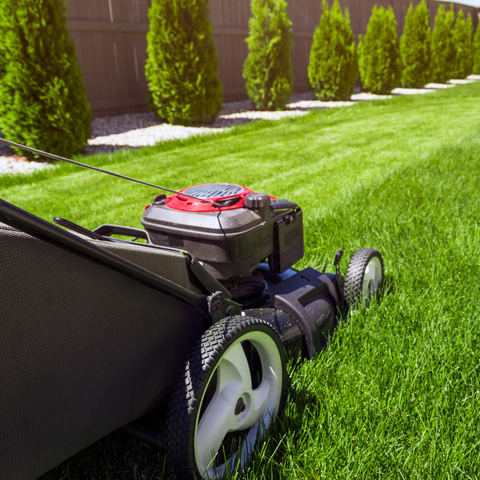
The simplest dethatching method only requires a mower with a catcher, with the blades set very low. This is essentially a controlled scalping of your lawn. It is vital that you ensure all clippings are going into the catcher. For buffalo lawns such as Sir Walter DNA Certified Buffalo with no underground runners, this is the only type of dethatching method that should be done. Make sure the height of your lawnmower is not set too low, as you don't want to affect the runners too much.
Professional Dethatching Method: Lawn Dethatcher

Specialist equipment for dethatching is available from your local equipment hire shop such as Kennards Hire. Simply ask for a lawn dethatcher or Vertimower. The dethatcher is available for day hires and can be picked up or delivered.
A professional lawn dethatcher is fully equipped to handle Couch and Zoysia varieties with underground runners, as it allows you to break up a deeper thatch layer. An important tip for using a professional lawn dethatcher on a buffalo lawn is to be very careful, and don’t go too low as it will remove all of the above-ground runners.
Common Lawn Scalping Mistakes
Even though scalping lawn areas can rejuvenate your turf, doing it incorrectly can stress the grass plant and slow new growth. Avoid these common mistakes:
- Scalping too low on Buffalo grass
- Scalping in extreme heat or drought
- Frequent scalping during cooler months
- Not switching mowing directions
- Leaving clumps of grass on the lawn
- Skipping fertiliser or watering after scalping
Scalped Lawn Recovery Time

After scalping your lawn, apply a good balanced fertiliser and water well for the following 2–3 weeks. Most warm-season lawns will typically take 2–4 weeks to fully recover, depending on the grass type, weather conditions, and post-scalping care. It is best to perform this method in spring when your lawn recovers the quickest. For that, you want a quality fertiliser such as Lawn Solutions Premium Lawn Fertiliser. This can be purchased from our online store or in person from our farm office.
When the fertiliser is applied, a good soaking with the sprinkler immediately is a must to help reduce the risk of burning the grass. Applying fertiliser sets your lawn up for the coming months, and gives it the nourishment required for the growth that is around the corner.
Few Final Tips for Healthy Lawn Care
Here are some simple lawn care tips to keep a wide range of turf varieties looking their best:
- Use a lawn leveller bar to check lawn levels
- Avoid scalping more than once per growing season
- Maintain soil profile with top dressing
- Always use sharp mower blades for a healthy lawn
Need Better Turf for Your Lawn?
To get more advice on lawn care and our turf varieties or to order your new lawn get in touch with our sales team on (07) 3273 1166. You can also pop in to get a quote or place an order in person at our sales office on 286 Brookland Road, Allenview QLD, 4285. The office opens Monday to Friday 7.30am to 4pm, and Saturday 7am to 11am*.
For more great turf tips, keep an eye on our website and all our social media channels.
*Saturday hours subject to seasonality and weather events


