






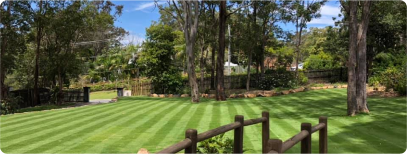

Spring is when backyards across Southeast Queensland come back to life. The days are warming up, gardens are growing again, and it's the perfect time to finally replace that patchy, tired lawn with fresh turf.
If you've been putting the job off through winter, you're in luck. Spring offers some of the best conditions for laying new turf, giving it plenty of time to establish before the heat of summer arrives. With the right preparation and a few simple techniques, you'll give your new lawn the strongest possible start and be enjoying weekends outside sooner than you think.
Why Spring Is One of the Best Times to Lay Turf
Warm-season turf varieties such as Sir Walter DNA Certified Buffalo, TifTuf Bermuda, Sir Grange Zoysia, Nullarbor Couch and Zoysia Australis all respond to rising soil temperatures. As spring arrives, these grasses begin actively growing again, allowing them to establish roots more quickly and recover from installation stress before the hotter months arrive.
For homeowners across Southeast QLD, that makes spring one of the most forgiving times to lay a new lawn. The weather is generally warm without being extreme, rainfall is often more reliable than during summer, and your lawn has several months to settle in before Christmas entertaining and backyard barbecues become the focus.
Choose the Right Turf Before You Start
The best installation begins with choosing a turf variety that suits your lifestyle, not just what looks good on day one. The best variety for your backyard depends on how much sun the area receives, how much maintenance you're happy to do, and whether your lawn needs to stand up to kids, pets or plenty of foot traffic.
After more than 50 years of growing turf across Southeast Queensland, we've helped thousands of homeowners find the right fit for their lifestyle. That's because there isn't one perfect lawn for every backyard, each variety has its own strengths.
Here's a closer look at what makes each one a great choice.
Sir Walter DNA Certified Buffalo
A favourite for busy family homes throughout Southeast QLD, Sir Walter handles kids, pets and varying light conditions extremely well. It offers excellent drought tolerance once established and stays soft underfoot.
Ideal for:
- Family backyards
- Homes with dogs
- Partly shaded gardens
- Low-maintenance lifestyles

TifTuf Bermuda
If your lawn receives full sun and plenty of activity, TifTuf Bermuda is hard to beat. It has exceptional drought tolerance and recovers quickly from wear, making it perfect for active households.
Best suited to:
- Full sun High traffic
- Water-conscious homeowners
- Modern landscapes
Sir Grange Zoysia
Looking for a premium finish? Sir Grange delivers a fine, dense appearance that's perfect around pools and contemporary homes. While it establishes a little more slowly, the long-term appearance is outstanding.
Nullarbor Couch
For homeowners wanting a traditional couch lawn with excellent wear tolerance and bright colour, Nullarbor Couch offers fantastic value in sunny positions.
Zoysia Australis
If low maintenance is your priority, Zoysia Australis offers slower vertical growth, meaning less mowing while still providing a beautiful lawn.
Preparation Makes All the Difference
A beautiful lawn starts long before the first slab of turf is laid. While it's important to choose the right grass variety, proper preparation has an even bigger influence on how well your lawn establishes. Spending an extra hour preparing the site can save weeks of frustration later, helping your turf develop stronger roots and a much more even finish.
Think of your soil as the foundation of your lawn. Even the best quality turf will struggle if it's laid over compacted ground, poor soil or existing weeds. Giving your new lawn the best possible growing conditions from day one encourages the roots to establish quickly, improves drainage and helps create a healthier, more resilient lawn that will thrive through the warmer months ahead.
Start by removing any existing grass, weeds and debris from the area. Leaving old vegetation behind creates unnecessary competition for water and nutrients, making it harder for your new turf to establish. If the ground is heavily compacted, loosening the soil before adding new underlay will also help roots penetrate more easily.
Once the area is clear, spread around 100 mm of quality sandy loam across the site and rake it out to create a smooth, even surface. As you level the area, aim for a gentle fall away from buildings to encourage good drainage and prevent water from pooling after rain. It's also worth checking your finished heights around paths, driveways and garden beds, remembering that the turf itself will add around 30–40 mm once it's laid. Taking the time to get these details right will make installation easier and give your new lawn the best possible start.
Lay Your Turf Like A Pro
Once your turf arrives, try to lay it as soon as possible. Fresh turf is a living product, and the sooner it's on prepared soil, the better its chances of establishing quickly. Start laying along the longest straight edge of your yard, such as a fence or driveway, then work across the area using a staggered brick pattern. This helps disguise joins as the lawn grows together.
As you work, butt each piece firmly against the next without overlapping the edges. On warmer spring days, lightly watering sections as you go can prevent the turf from drying out before the job is finished. Once the entire lawn has been laid, use a lawn roller if available and give the area a deep soak to help settle the roots into the soil.
The First Six Weeks Matter Most
The first month or so after laying your lawn is when good habits really pay off. During this establishment period, the goal is to keep the soil consistently moist without leaving it waterlogged. As temperatures fluctuate throughout spring, it's worth checking the moisture each day and adjusting your watering to suit the conditions rather than following a rigid schedule.
It's also best to avoid heavy foot traffic while the roots are growing into the soil. A simple way to check whether your lawn is ready for its first mow is to gently lift a corner of the turf. If it stays firmly attached, the roots have taken hold. For the first cut, mow at a slightly higher height than usual with sharp blades, then gradually return to your normal mowing height over the following weeks. Once the lawn has fully established (typically after about six weeks) you can apply a quality slow-release fertiliser to encourage healthy ongoing growth.
Five Common Spring Turf-Laying Mistakes
Even with the best intentions, it's easy to make a few small mistakes when laying a new lawn. The good news is that most are completely avoidable with a little planning and patience. By steering clear of the common pitfalls below, you'll give your turf the best chance to establish quickly and grow into a healthy, long-lasting lawn.
Skipping Soil Preparation - Healthy roots need healthy soil.
Waiting Too Long After Delivery - Fresh turf establishes best when laid as quickly as possible.
Leaving Gaps Between Rolls - Open joins dry out faster and become more noticeable later.
Letting the Lawn Dry Out - Consistent moisture during establishment is one of the biggest factors in success.
Mowing Too Soon - Always wait until the turf has properly rooted before bringing out the mower.
While these mistakes are common, they're also some of the easiest to avoid. A little extra care during preparation, installation and those first few weeks of establishment will set your lawn up for years of healthy growth. Before long, you'll be enjoying a lush, green lawn that's ready for everything from backyard barbecues to afternoons with the kids and the dog.

Ready for a Lawn You'll Love?
A little planning now can make all the difference over summer. Choosing the right turf, preparing your soil properly and giving your new lawn the care it needs during those first few weeks will set it up for years of healthy growth.
Whether you're creating a safe place for the kids to play, somewhere for the dog to run, or simply a backyard you'll enjoy every weekend, spring is the perfect time to get started.
If you're not sure which turf variety is right for your property, the Jimboomba Turf team is always happy to help you choose the best option for your home and lifestyle—so you can enjoy A Lawn You'll Love.


