


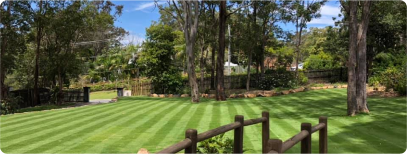

School turf works harder than almost any other surface in the community. It's out there every day, seeing kids through lunch breaks, PE classes, after-school training and weekend fixtures, and unlike a roof or a floor, the wear tends to sneak up on you. A patch of turf doesn't send you a maintenance notice; it just quietly gets worse until one day it's impossible to ignore.
Queensland schools have an added layer of complexity here. The subtropical climate that makes Southeast Queensland such a great place to grow turf also puts real demands on it. Heavy summer rainfall, hard dry stretches, relentless foot traffic through the back half of the year and your oval earns its keep. It also needs looking after to keep performing the way your students and community expect.
The good news is that this doesn't have to be a crisis management exercise. With a little forward planning, turf replacement becomes a predictable, manageable part of running a well-maintained school.
Why reactive spending always costs more
There's a pattern that can often play out at schools across Queensland. Turf gets used hard, maintenance falls behind, and eventually a surface that's been quietly deteriorating for a season or two reaches the point where something has to be done. By then, the scope of work is larger than it would have been, the timeline is tight, and the budget request is harder to justify because it looks like an emergency rather than a plan.
Reactive turf spending is almost always more expensive and more disruptive than planned turf spending. When you're working to a schedule, you can stage the work sensibly by prioritising the highest-traffic areas first, timing installation to avoid disrupting major events or exam periods, and giving new turf the establishment time it needs to bed in properly before the next season of heavy use begins.
A planned approach also gives you something far more useful come budget time: a credible, well-documented case for the spend.
What a simple turf replacement program looks like in practice
It doesn't need to be elaborate. At its most straightforward, a turf replacement program is just a regular assessment of your school's grassed areas, with a clear picture of what needs attention in the year ahead and what can reasonably wait.
From that assessment, you can build a sensible line item into your annual budget bid. Over time, this kind of routine upkeep means your grounds never fall into disrepair. Instead, they're maintained to a consistent standard that serves the whole school community well, term after term and year after year.
Getting the right variety down matters too. Not every grass suits every school. Shade coverage, drainage and the intensity of use during winter sport are all factors worth talking through with someone who knows Queensland turf. A variety that's well-matched to your conditions will establish faster, hold up better under pressure, and give you a longer return on your investment.
Getting your numbers sorted before budget bids are due
One of the most practical things a school can do ahead of budget season is to have a proper, site-specific quote in hand before the bids go in. It's the difference between submitting a figure you're confident in and submitting one you've had to estimate. It also signals to decision-makers that the request has been properly thought through, ultimately making a real difference in how it's received.
The Jimboomba Turf team has been working with schools and community facilities across Southeast Queensland since 1973, and we know how important it is to get the groundwork right. We're happy to come out to your school, walk the grounds with you, and put together a full measure and quote before your budget preparation gets underway, completely free of charge and with no obligation to proceed.
If budget season is approaching and you want to get turf replacement onto the agenda properly, give us a call and we'll arrange a time to come out. A bit of planning now is worth a great deal more than a rushed fix later!
Contact the Jimboomba Turf team to arrange your free measure and quote


