








If you've ever watered your lawn only to watch the water bead up and run off instead of soaking in, it’s likely you've come across hydrophobic soil. It's one of the most common issues we see across Southeast Queensland, but there is good news: it's completely fixable.
At Jimboomba Turf, we help families, landscapers and councils create lawns that thrive for the long haul. Understanding hydrophobic soil is a big part of that. In this guide, we'll explain what it is, why it happens, how to spot it early, and most importantly, how to fix it and stop it coming back.
Whether you're caring for an established Sir Walter DNA Certified Buffalo, laying new Sir Grange Zoysia, or dealing with stubborn dry patches, you'll find practical advice here you can trust.
What Is Hydrophobic Soil?
Hydrophobic soil repels water instead of absorbing it. When soil becomes hydrophobic, moisture sits on the surface or runs to lower areas rather than soaking down into the root zone where your turf needs it most.
In lawns, this shows up as dry, patchy areas surrounded by green grass, water pooling or running off during irrigation, turf that wilts quickly even with regular watering, and soil that stays dry just below the surface. It's especially common in sandy soils, which are widespread across Brisbane, Ipswich, the Scenic Rim and the Gold Coast.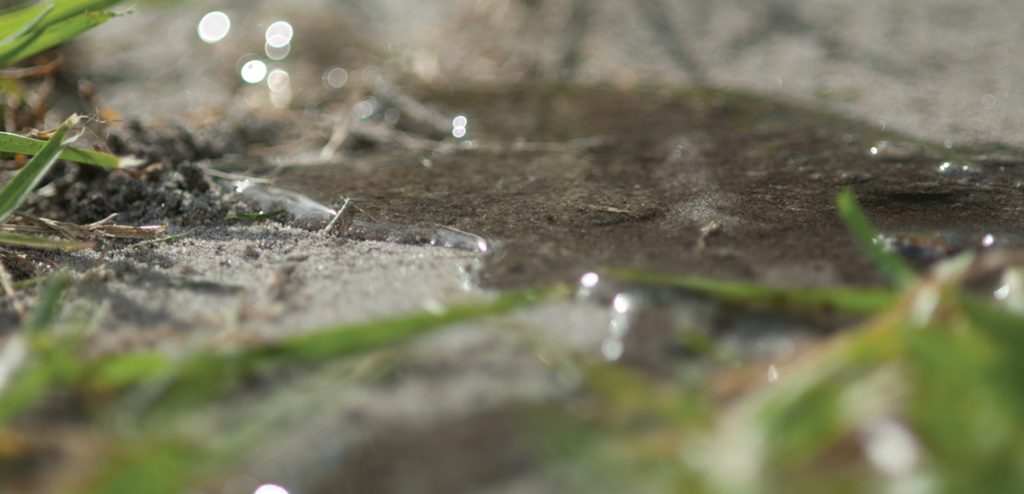
Why Does Soil Become Hydrophobic?
Hydrophobic soil doesn't happen overnight. It develops when organic coatings build up on soil particles over time, preventing water from penetrating the soil profile.
Extended Dry Conditions
Hot Queensland summers are the biggest trigger. When soil dries out completely, waxy compounds from plant material, microbes and thatch bind to sand particles. Once this happens, soil actively resists water. Ironically, the more a lawn dries out, the harder it becomes to re-wet.
Sandy Soil
Sandy soils drain quickly, which is usually helpful for turf. But they're also far more prone to becoming hydrophobic than heavier clay soils. With fewer fine particles to hold moisture, sandy soils dry out fast and develop water-repellent layers more easily.
Thatch Build-Up
Thatch is the layer of dead and living organic matter between the grass and soil. A small amount is normal, but excessive thatch blocks water penetration, increases surface drying, and contributes to hydrophobic conditions below. Warm season grasses like buffalo, couch and zoysia can all develop thatch if mowing, watering and fertilising aren't balanced.
Poor Watering Habits
Light, frequent watering encourages shallow roots. Over time, deeper soil dries out completely, increasing the risk of hydrophobic layers forming below. This is why we recommend deep, infrequent watering, making sure to give the lawn and the layers beneath it a nice soak. For all of Jimboomba Turf’s tips and tricks on watering your lawn, head here.
How Hydrophobic Soil Affects Your Lawn
When soil repels water, your lawn suffers - even if you're doing everything else right. Roots stay shallow and weak without access to moisture, making turf vulnerable to heat stress, wear and traffic, pests and disease. You'll often see uneven growth with one area thriving while another struggles, creating that frustrating patchwork look. Water runs off instead of soaking in, so you end up using more water for worse results. Stressed turf recovers slower, becomes less competitive against weeds, and thins out over time.
How to Tell If Your Soil Is Hydrophobic
Not sure if this is your problem? Try the water drop test by placing a few drops on dry soil. If water soaks in quickly, your soil is fine. If it beads up or sits on the surface, you've likely got hydrophobic soil.
You can also dig down 50 – 100mm after watering. If the surface is wet but the soil underneath is bone dry, water isn't penetrating properly. Watch during irrigation too, to see if water pools, runs off, or heads straight to the lowest point of your yard, as hydrophobic soil may be blocking infiltration.
How to Fix Hydrophobic Soil
The key is restoring even moisture through the soil profile and breaking down those water-repellent coatings.
Apply a Soil Wetter
Soil wetting agents are one of the most effective solutions. They reduce surface tension, allowing water to penetrate and spread evenly. Choose a quality wetting agent suitable for turf, apply during warm weather when soil activity is high, and follow label rates carefully. Regular applications during warmer months can dramatically improve water penetration. Jimboomba Turf have an extensive range of aftercare products available from our online store, including Soil Wetters. If you are after a more in-depth understanding of the benefits of applying soil wetter, head here.

Water Deeply and Infrequently
Once wetting agents are in place, change your watering habits. Water less often but for longer periods, aiming to wet the top 100mm of soil. Early morning watering is best for efficiency and turf health.


