





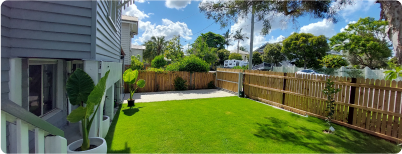


Laying new turf is one of the most satisfying home improvement projects you can take on. There's nothing quite like watching a tired, patchy yard transform into a lush, green lawn in a single day. But here's the thing most people don't realise until it's too late — the success of your new lawn has very little to do with the turf itself – because we make sure we supply the best - and almost everything to do with what's underneath it.
Soil preparation is the foundation of a healthy, long-lasting lawn. Skip it or rush through it, and you'll likely end up with turf that struggles to establish, drains poorly, or develops patchy, uneven growth within the first few months. Take the time to get it right, and your new lawn will reward you with years of strong, even coverage that's easier to maintain and far more resilient to Queensland's heat, storms and dry spells.
Here's how to prepare your soil properly before your turf arrives.
Step One: Clear the Area
Before anything else, you need a clean slate. Remove any existing grass, weeds, rocks, debris and old root systems from the area where your new turf will be laid. If you're working with an established lawn that's beyond saving, you can either strip it out manually with a flat shovel or use a turf cutter, which you can hire from most equipment rental outlets.
For areas with persistent weeds, it's worth applying a non-selective herbicide a couple of weeks before you plan to start work. This gives the product time to take effect and reduces the chance of weeds pushing through your new lawn down the track. Just make sure the herbicide has fully broken down before you lay your turf, and always follow the label directions for withholding periods.
Step Two: Test and Assess Your Soil
Queensland soils vary enormously, even within the same suburb. You might be working with heavy clay that holds water and stays compacted, sandy soil that drains too quickly and struggles to retain nutrients, or something in between. Understanding what you're dealing with helps you make the right decisions about amendments and drainage before your turf goes down.
A simple soil test from your local garden centre or hardware store can tell you a lot about your soil's pH level and nutrient profile. Most turf varieties perform best in a slightly acidic to neutral range, roughly between 6.0 and 7.0. If your soil sits outside that range, you can adjust it by using lime to raise the pH or sulphur to bring it down. It's a small step that makes a genuine difference to how well your turf establishes and feeds over time. A little head start, if you will! 
Step Three: Improve Your Soil Structure
Once the area is clear and you know what your soil needs, it's time to improve its structure. For heavy clay soils, which are common across many parts of Southeast Queensland, working in gypsum and quality organic matter like composted manure or a sandy loam blend helps break up compaction, improve drainage and create a more hospitable environment for root growth.
For sandy soils, adding organic matter serves the opposite purpose. It helps the soil hold onto moisture and nutrients rather than letting all that goodness drain straight through. Regardless of your soil type, spreading a 100mm – 150mm quality underturf soil or lawn mix across the top gives your new turf the best possible start. Our team at Jimboomba Turf can advise on the right soil blend for your situation.
Step Four: Level the Surface
This step is more important than most people think. An uneven surface leads to water pooling in low spots, dry patches on high points, and a lawn that always looks a bit off no matter how well it's maintained. Taking the time to level your soil before laying turf saves you a lot of frustration later on.
Use a landscaping rake to spread the soil evenly across the area, filling in any dips and knocking down any high spots. The finished surface should be smooth and roughly 25 to 30 millimetres below any adjoining paths, driveways or garden edging. This allows the turf to sit flush with surrounding surfaces once it's laid, giving you a clean, professional-looking finish.
You also want a slight fall away from your house and any structures to ensure water drains in the right direction. A gentle gradient of around one to two percent is usually sufficient, just enough to move water without being noticeable underfoot. 
Step Five: Compact Lightly and Settle the Surface
After levelling, lightly compact the soil to create a firm, stable base. You can do this with a lawn roller, the back of a rake, or even just by walking methodically across the area. The goal is to firm things up without over-compacting, because you still want the soil to be loose enough for roots to penetrate easily.
Once compacted, give the area a light watering to help settle the surface and reveal any remaining low spots or uneven patches. If any appear, simply top up with more soil, re-level and firm again. It's much easier to fix these issues now than after your turf is already down!
Step Six: Apply a Starter Fertiliser
Just before your turf arrives, apply a quality starter fertiliser across the prepared surface. Starter fertilisers are specifically designed to encourage strong root development in newly laid turf, which is exactly what you need during those critical first few weeks of establishment. Jimboomba Turf have a range of fertilisers available for purchase through our online store, and our team are always available to suggest what would work best for you and your backyard.
Spread it evenly across the soil according to the product's recommended rate. More is not better when it comes to fertiliser, and over-applying can actually burn young roots and set your lawn back. Trust us, these are some instructions worth reading! A standard broadcast spreader makes this job quick and consistent, but hand application works fine for smaller areas. 
Step Seven: Time Your Turf Delivery
With your soil fully prepared, the final step is making sure your turf arrives at the right time. Ideally, you want to lay your turf on the same day it's delivered. Fresh turf is a living product, and the longer it sits on a pallet, the more stress it's under. Nobody likes sitting out in the heat!
If you have a big turf order coming, try to schedule your delivery for early morning so you have the full day to lay and water it in. If you've done your soil preparation thoroughly in the days leading up to delivery, this final stage should go smoothly and quickly. The hard work is (mostly) over!
Set Your New Lawn Up for Success
Good soil preparation isn't glamorous, and it's the part of the job most people are tempted to rush through to get to the exciting bit. But every minute you invest in getting the base right pays off in a lawn that establishes faster, looks better and requires less intervention over time. It's the difference between a lawn that thrives and one that merely survives.
At Jimboomba Turf, we've been helping Queensland homeowners achieve great results for decades, and the advice we give every single customer is the same: prepare your soil properly and the turf will do the rest.
If you're planning a new lawn and want guidance on soil preparation, turf selection or anything in between, our friendly team is here to help. Give us a call or visit our website to get started.


